Common Questions and Answers on GSA Mobile Offices
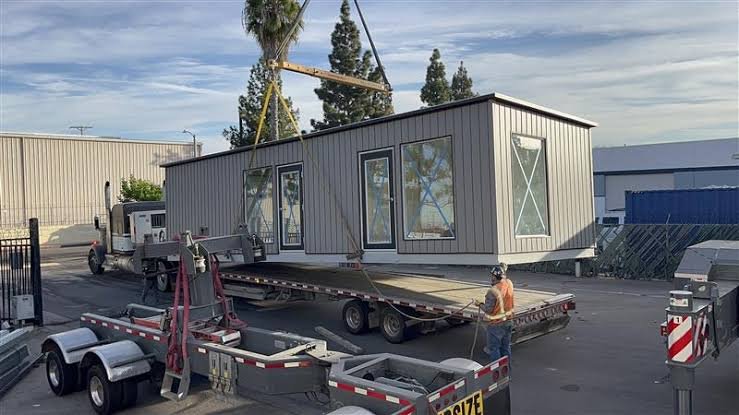
Government agencies require suitable facilities for administrative work, field operations, and changing public-sector demands. Traditional construction does not always meet the needs of projects requiring additional workspace within a defined timeframe. Modular buildings offer an alternative, and some have prefabricated structures available in different sizes and configurations. Here are answers to a few questions about GSA mobile offices:
What Are GSA Mobile Offices?
A GSA mobile office uses prefabricated building components rather than relying on conventional on-site construction. Government departments can use them for various needs; these include administrative operations, field coordination, and additional workspace. Their configurations depend on the activities taking place inside the building.
Conventional construction typically involves building a structure from the ground up, while modular facilities arrive as prefabricated units ready for assembly. This distinction affects how agencies approach facility planning and site preparation. A department expanding its administrative operations could examine modular buildings for time-sensitive missions; this helps them avoid starting an entirely new construction project. The selected arrangement depends on site conditions and the agency’s requirements.
The GSA mobile office purchasing route also deserves attention before selecting a building. GSA schedules identify applicable products and services through specific contract categories and Special Item Numbers; agencies need to check the relevant contract details before placing an order. A vendor’s GSA approval alone does not mean every product automatically falls under every purchasing category.
Who Can Purchase GSA Offices?
Federal government departments and agencies are some of the users of GSA purchasing arrangements due to their need for standardized procurement processes. Military departments also require modular facilities for administrative and operational activities. Other public-sector organizations may need to confirm their eligibility under the relevant purchasing rules. Some organizations need to confirm their eligibility, so your procurement department should review the applicable purchasing requirements and contract terms.
State and local government entities also use cooperative purchasing arrangements when eligible. These arrangements differ from federal GSA schedules, so buyers need to distinguish between them. Government contractors should also check the purchasing authority attached to their specific projects. The applicable contract determines which organizations qualify and how procurement proceeds.
What Buildings Are Available?
Available building configurations depend on the vendor’s inventory and the applicable contract. Government buyers researching modular facilities may encounter several options designed for different operational requirements; these include:
- Standard office trailers: Provide enclosed workspace for administrative and field personnel.
- Ground-level offices: Offer office configurations with ground-level access.
- Modular office complexes: Accommodate larger teams through connected building arrangements.
- Storage containers: Provide designated space for equipment and operational materials.
Your choice depends on the number of employees, the activities performed, and the available site area. Larger teams might require connected modular buildings, but some smaller departments need individual office units. Reviewing available floor plans helps match the building to its intended function.
Can You Customize the Interior?
Modular buildings offer interior options that reflect different workplace activities. Available features include conference rooms, training rooms, restrooms, coffee bars, and partitioned spaces; computer access and satellite systems are other options. When procuring a prefabricated unit, evaluate the selected configuration to determine which provisions are included in the finished facility. For full customization options, you may work with the modular building supplier to design a new unit.
How Are the Buildings Delivered?
The first step in the delivery process is to determine the building requirements and inspect the proposed installation site. Your team should decide how they intend to use the structure and the preferred configuration. Site preparation requirements are then discussed based on the selected building and existing ground conditions; this information guides arrangements for delivery and setup. The installation process is straightforward and consists of setting the prefabricated structure in place and setting it up. Listed GSA purchasing contract services include site development and installation support. The actual work will be specified depending on the building and the agreement.
Another area of concern that deserves attention before the facility is up and running is the provision of utilities. The available support services may vary by contract and include water supply, sewage disposal, and electrical connections. Your facilities team must determine which connections the site has and which connections are needed; it is helpful to clarify these responsibilities in advance to provide the installation team with a scope of work.
Learn More About a GSA Mobile Office
The process of choosing an appropriate modular structure begins with identifying its intended use; review the building specifications, applicable special item numbers, site conditions, and installation requirements. Your procurement team should assess whether the selected arrangement meets the agency’s operational needs. Contact a reliable supplier specializing in GSA mobile office purchasing to discuss options for your government facility.

Sam Kuran is a passionate content writer and researcher who specializes in creating informative, engaging, and SEO-friendly articles. With a strong interest in technology, business, lifestyle, entertainment, and trending topics, Sam focuses on delivering accurate, well-researched, and easy-to-understand content. His goal is to help readers discover useful information, explore new ideas, and make informed decisions through high-quality, people-first content.