Why Your Extension Kit Might Be Working Against Your Hair
The Drawer Full of Mismatched Clips, Combs, and Tapes
Picture a stylist standing at her station fifteen minutes before an appointment, rummaging through a drawer full of tools that almost work together but not quite. One comb has teeth too coarse for fine sections. A set of pliers meant for microbeads keeps slipping on the smaller silicone-lined rings she switched to last year. None of it was bought as a set, so none of it behaves like one, and the client in the chair has no idea why the application is taking twice as long as it should.
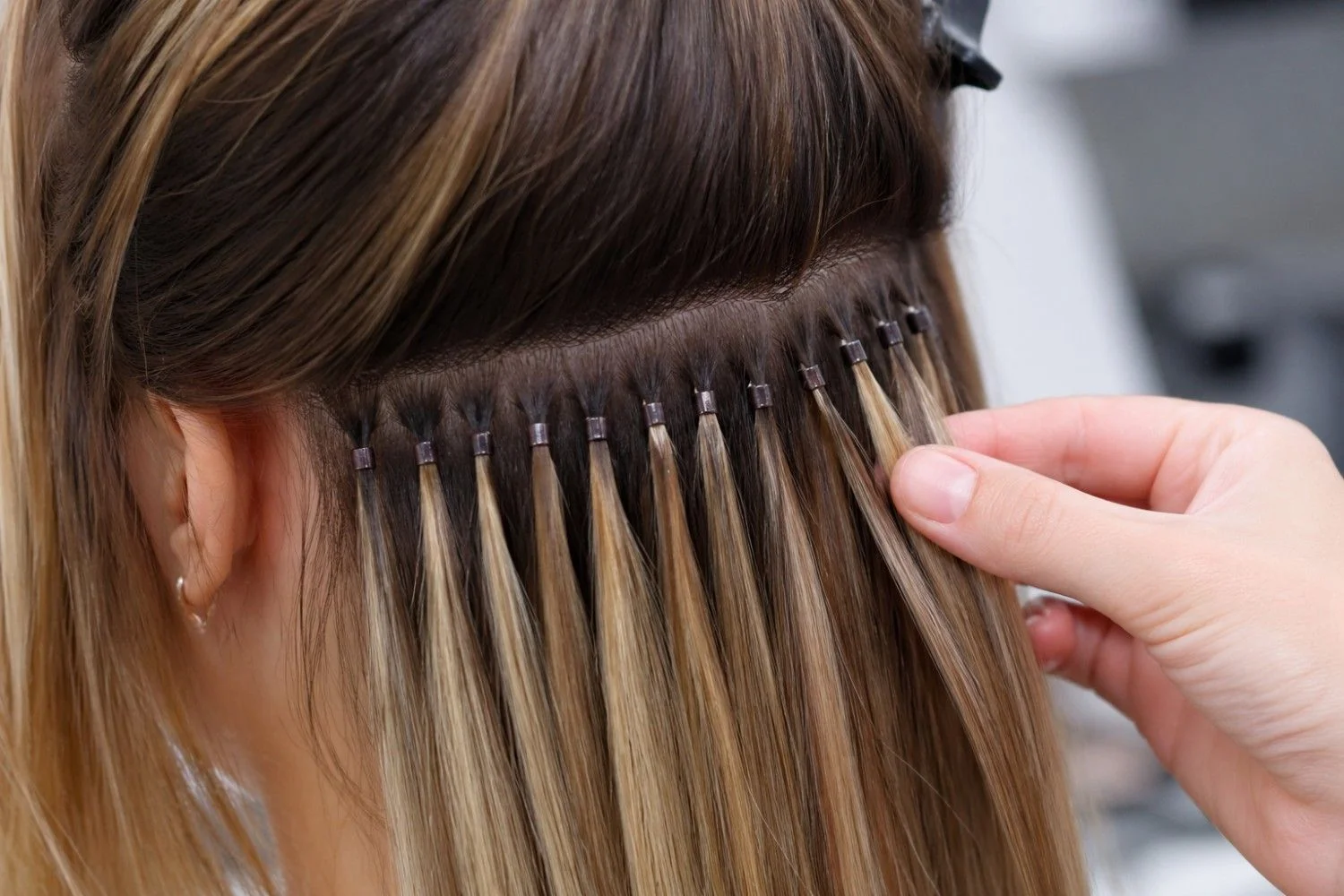
This scenario plays out in salons and bathrooms alike, because extension tools tend to get acquired piecemeal rather than planned out. A stylist picks up a loop tool at a trade show, inherits a heat connector from a coworker who switched methods, then buys a cheap plier set online because the original one broke. Over time these mismatched pieces create friction points that show up in the finished work: uneven tension, sections that slip, or heat tools that run hotter or cooler than they’re labeled. None of this is dramatic on its own, but it adds up to extensions that don’t sit the way they should and don’t last as long as they could.
Matching Equipment to the Method Instead of Guessing
The fix isn’t buying more tools, it’s buying the right ones for the specific method being used and keeping them in a condition that supports consistent results. A tape-in application calls for a different set of pressing and sealing tools than a bead or sew-in method, and using the wrong combination often shows up later as slippage or discomfort for the client. Stylists who standardize their kit around one or two methods tend to report fewer callbacks and more predictable timing per appointment, since they aren’t compensating for tools that fight the technique.
This matters even more when a stylist works across multiple extension styles in the same week. Someone installing hand-tied and hybrid wefts alongside tape-ins needs separate sectioning combs and pressing tools calibrated for each method, because the weight distribution and attachment points aren’t interchangeable. A hybrid weft, for instance, often needs a different clamp pressure than a single tape panel, and using the same tool for both can quietly undermine the hold. Building a kit around the actual methods offered, rather than a generic all-purpose bundle, tends to produce longer-lasting results with less daily maintenance.
There’s also a practical argument for keeping tools organized by function rather than by brand. A sectioning clip, a heat connector, and a pulling hook serve distinct roles, and grouping them by task rather than by where they were purchased makes it easier to spot gaps before an appointment starts. Stylists who take this approach generally spend less time mid-service hunting for a missing piece, which keeps the client comfortable and the schedule on track.
Questions Worth Asking Before You Restock Your Kit
Before replacing or expanding an extension tool set, it helps to ask what’s actually failing in the current setup rather than assuming every piece needs to go. Sometimes the issue is a single worn clamp or a plier that’s lost its grip strength, not the whole collection. Testing each tool individually against a fresh section of hair can reveal which pieces are underperforming and which ones just need better storage or occasional sharpening.
Material safety is worth factoring in too, since tools and adhesives come into direct contact with scalp and hair over extended wear periods. Anyone sourcing new products, especially adhesives or heat-activated bonds, can check FDA cosmetic safety resources for general guidance on what ingredients and labeling claims actually mean before trusting a product with sensitive skin. This kind of due diligence takes a few minutes and can prevent a reaction that costs far more time to resolve later.
Budget and longevity should factor into the decision as well, since the cheapest tool set rarely holds its calibration after repeated use. A plier that loses its clamping force after a few months of regular work ends up costing more in redos and client trust than a sturdier option would have upfront. Stylists who treat their tool set as a long-term investment, replacing individual pieces as they wear rather than waiting for a full breakdown, tend to maintain more consistent quality across every appointment on the books.

Sam Kuran is a passionate content writer and researcher who specializes in creating informative, engaging, and SEO-friendly articles. With a strong interest in technology, business, lifestyle, entertainment, and trending topics, Sam focuses on delivering accurate, well-researched, and easy-to-understand content. His goal is to help readers discover useful information, explore new ideas, and make informed decisions through high-quality, people-first content.