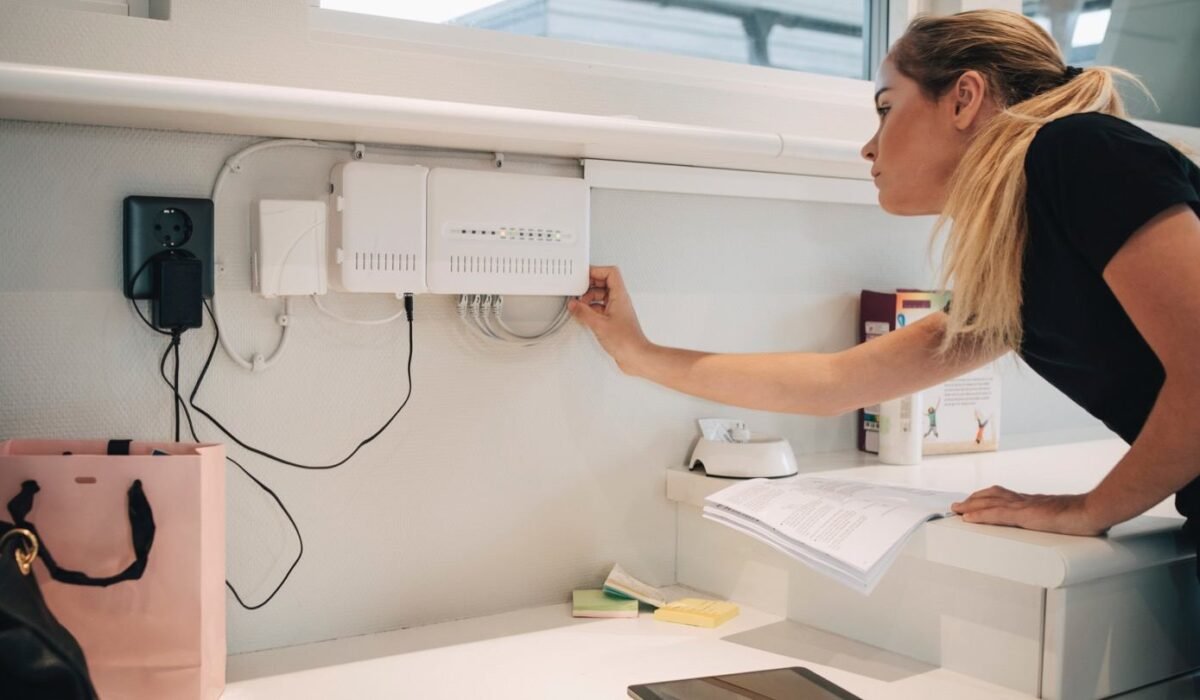
A reliable internet connection has become an essential part of everyday life. Whether you work from home, attend online classes, stream videos, or play online games, your WiFi network plays an important role in keeping everything connected. However, many users overlook one important aspect of their internet connection: router configuration.
A router’s administration panel provides access to useful settings that allow users to manage their wireless network, update passwords, monitor connected devices, and improve network security. Understanding how to access these settings can help you maintain a more reliable and secure internet connection.
Understanding Your Router’s IP Address
Every router uses an internal IP address to communicate with devices connected to its network. One commonly used private IP address is 192.168.1.1.
This address often serves as the default gateway for home routers. Users can enter it into their web browser’s address bar to access the router’s administration interface, provided their device is connected to the correct network.
For beginners, understanding the 192.168.1.1 Login process is a useful first step toward managing a home internet connection. Resource: https://19216811-login.com/
Not every router uses the same default gateway. Some devices use addresses such as 192.168.0.1 or 192.168.1.254, depending on the manufacturer and network configuration. For routers that use this gateway, users can also review a 10.0.0.1 router login guide for additional information.
How to Access Your Router Administration Panel
Accessing your router’s settings is generally straightforward. Follow these steps:
- Connect your computer, smartphone, or tablet to your router using WiFi or an Ethernet cable.
- Open a web browser such as Google Chrome, Firefox, Safari, or Microsoft Edge.
- Enter your router’s gateway address in the browser’s address bar.
- Press Enter to open the administration login page.
- Enter the correct administrator username and password.
- Once authenticated, review the available router configuration options.
If you are unsure about the login process, learning more about router admin panel access can help you understand the available options and configuration steps. Resource: https://19216811login.net/
Always use the official gateway address and credentials associated with your own router.
Why Should You Configure Your Router Settings?
1. Change Your WiFi Password
Changing the default wireless password is an important security practice. Choose a strong, unique password containing a combination of uppercase and lowercase letters, numbers, and special characters.
2. Update Your WiFi Network Name
Your WiFi network name, also known as the SSID, identifies your wireless connection. You can customize it through the router’s wireless settings. Avoid including personal information such as your full name or home address.
3. Monitor Connected Devices
Most modern router administration panels provide a connected-device list. This feature helps users identify smartphones, laptops, smart TVs, and other devices currently using their network. If you notice an unfamiliar device, review your wireless security settings and update your password if necessary.
4. Improve Network Security
Router manufacturers regularly provide firmware updates to address security vulnerabilities and improve performance. Check your manufacturer’s official website or router administration panel for available updates. Use WPA2 or WPA3 wireless encryption whenever supported.
What to Do If Your Router Login Page Does Not Open
Check Your Network Connection
Make sure your device is connected to the router through WiFi or Ethernet. Private gateway addresses generally cannot be accessed through an unrelated mobile data connection.
Verify the IP Address
Your router may use a different default gateway. Check your device’s network settings or the router label to identify the correct address.
Avoid Typing Mistakes
Enter the complete numerical IP address correctly. For example, 192.168.1.1 is different from 192.168.11.
Restart Your Router
Restarting the router can resolve temporary connectivity problems. Allow the device to boot completely before trying again.
Check Your Login Credentials
Default administrator credentials vary by router manufacturer and model. Check the product label or official documentation rather than assuming every device uses admin/admin.
How to Keep Your Home WiFi Network Secure
Managing your router is not just about changing internet settings. It is also an important part of protecting your home network. Consider these recommendations:
- Change the default administrator password.
- Use a strong and unique WiFi password.
- Enable WPA2 or WPA3 encryption.
- Keep your router firmware updated.
- Disable remote administration if you do not need it.
- Review connected devices periodically.
- Use a guest network for visitors when available.
These precautions can reduce common security risks and help keep your wireless network under control.
Final Thoughts
Understanding how router administration works can make managing your home internet connection much easier. From updating WiFi passwords to monitoring connected devices and improving network security, the router settings interface provides several useful tools for everyday users.
By learning the correct gateway address, following the appropriate login procedure, and maintaining secure configuration settings, you can enjoy a more organized and protected wireless network. Taking a few minutes to understand your router’s administration features can make a meaningful difference in your overall networking experience.