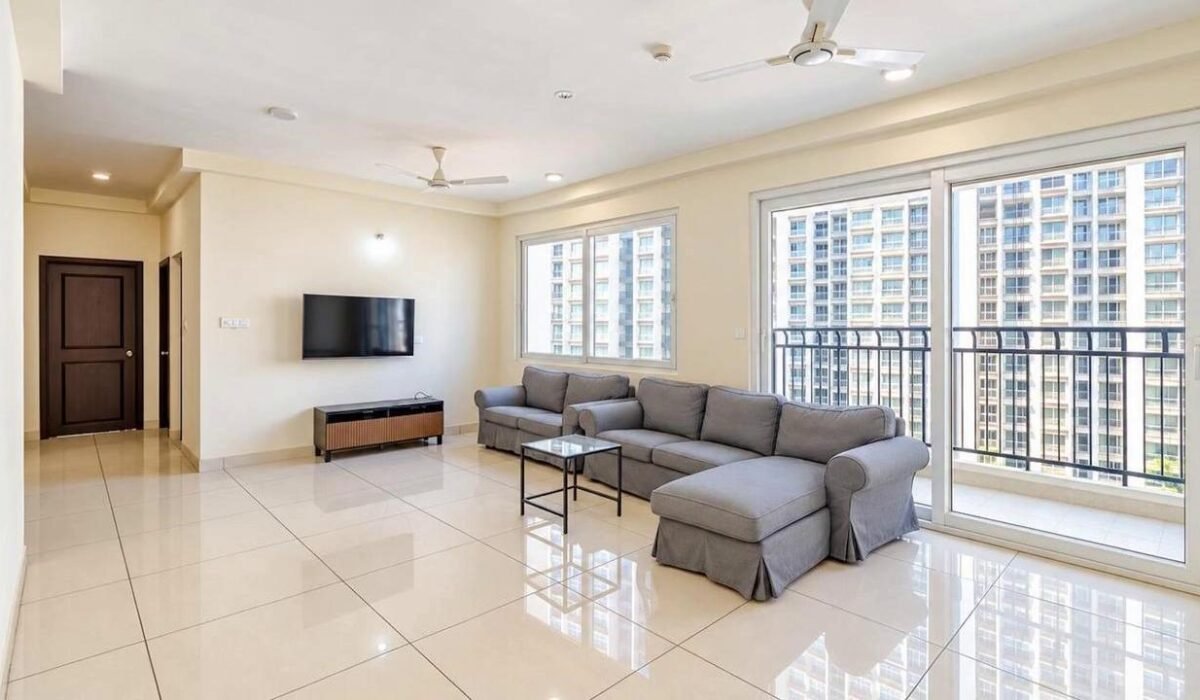
Buying a home is one of the biggest financial decisions a family makes. Beyond attractive interiors and modern amenities, the right apartment should offer practical connectivity, dependable infrastructure, comfortable living spaces, and value that supports long-term plans.
For buyers exploring flats in Gunjur, understanding the neighbourhood and the property’s specifications is essential before committing. Comparing construction quality, legal documentation, maintenance costs, and future development can help narrow down suitable options. A careful evaluation also helps buyers distinguish between features that look impressive during a site visit and those that genuinely improve everyday life.
Essential Factors to Evaluate Before Choosing a Home
A well-informed property decision combines practical needs with financial planning. Buyers should assess the apartment, its surroundings, and the responsibilities that come with ownership.
1. Assess Connectivity to Workplaces and Daily Essentials
A convenient location can make everyday routines easier. Buyers should examine access to workplaces, schools, hospitals, supermarkets, and public transport instead of relying only on advertised distances. Actual peak-hour travel times provide a more realistic picture of daily convenience.
Gunjur’s location in Bengaluru’s eastern growth corridor may suit professionals travelling towards Whitefield and the Outer Ring Road. However, connectivity depends on the property’s exact location. Visiting at different times helps buyers understand traffic, road conditions, and transport options.
- Check commute times: Test common routes during peak hours.
- Review essential services: Locate nearby hospitals, schools, and grocery stores.
- Study transport options: Assess public transport and last-mile connectivity.
2. Examine Construction Quality and Apartment Specifications
An apartment’s appearance does not always reflect its construction quality. Buyers should examine finishing, materials, workmanship, and available documentation. Cracks, damp patches, uneven flooring, and poorly finished joints deserve clarification during an inspection.
For under-construction properties, ask for details on the construction schedule, specifications, and approved plans. For completed apartments, inspect doors, windows, plumbing, electrical points, ventilation, and water pressure. An independent professional inspection can help identify concerns that may not be obvious during a brief visit.
- Inspect finishing: Look for uneven surfaces, damaged tiles, and moisture.
- Review specifications: Confirm flooring, fittings, doors, and windows.
- Check practical details: Assess natural light, ventilation, storage, and room dimensions.
3. Compare Amenities With Your Actual Lifestyle
Swimming pools, gyms, landscaped gardens, clubhouses, and children’s play areas can improve apartment living. However, buyers should evaluate amenities by usefulness rather than by number. Fitness enthusiasts may value a well-maintained gym, while families may prioritise safe outdoor spaces and children’s play areas.
Amenities also influence monthly maintenance charges because facilities require cleaning, electricity, staffing, and repairs. Confirm which features are operational, which remain planned, and whether access is included in the ownership terms before making a final decision.
- Prioritise essentials: Choose facilities that support your daily routine.
- Verify availability: Check whether advertised amenities are completed and accessible.
- Understand recurring costs: Ask about maintenance fees and additional charges.
4. Understand Total Ownership Costs Before Committing
The advertised apartment price represents only part of the financial commitment. Buyers must also account for applicable registration charges, stamp duty, taxes, parking costs, maintenance deposits, and recurring society expenses. Home loan interest and interior work can further increase the overall budget.
Prepare a complete cost estimate before comparing properties. Request a written breakdown of charges and clarify which items are included. Buyers using home loans should consider interest rates, repayment periods, and unexpected expenses to ensure that monthly payments remain manageable throughout the repayment period.
- Calculate the full cost: Include purchase charges and interior expenses.
- Review monthly commitments: Account for loan repayments, utilities, and maintenance.
- Keep an emergency reserve: Avoid exhausting savings during the purchase.
5. Verify Legal Documents and Project Approvals
Legal verification is essential before paying a substantial booking amount or signing a sale agreement. Buyers should confirm the developer’s authority to sell, the land title, applicable approvals, and project registration status where required. These checks can reveal issues affecting ownership, financing, or possession.
For projects covered by the Real Estate (Regulation and Development) Act, buyers can consult relevant Karnataka RERA records for project details, declared timelines, and disclosures. Independent legal advice can clarify document requirements because approvals and verification procedures may vary by property and transaction.
- Check project registration: Verify applicable Karnataka RERA details.
- Review ownership records: Ask a property lawyer to examine the title.
- Confirm approvals: Review sanctioned plans, occupancy documents where applicable, and the sale agreement.
Evaluating the Neighbourhood for Long-Term Convenience
The surrounding neighbourhood can influence a home’s comfort, resale appeal, and suitability for changing family needs. Buyers exploring flats in Gunjur should look beyond the apartment entrance and evaluate the wider area, including access roads, drainage, water supply, nearby construction, and essential services.
Visit the locality on weekdays and weekends to understand noise levels, traffic, and how busy shared roads become. Speak with existing residents when possible and ask about water availability, waste collection, security arrangements, and how responsive property management is.
Future development also deserves attention, but don’t treat planned infrastructure as guaranteed. Verify major claims through official announcements and relevant authorities rather than relying entirely on marketing material.
- Check civic infrastructure: Assess road access, drainage, street lighting, and water arrangements.
- Observe the surroundings: Look for construction activity, noise sources, and practical walking routes.
- Ask about management: Understand security, waste disposal, and complaint-resolution procedures.
These checks help buyers judge whether the neighbourhood can support comfortable living beyond the initial excitement of purchasing a home.
Conclusion
Choosing a home requires more than attractive photographs or an impressive list of amenities. Buyers should examine construction quality, legal approvals, connectivity, total ownership costs, and the neighbourhood’s everyday practicality. A structured comparison makes it easier to identify a property that fits both current needs and long-term financial plans.
For buyers exploring upcoming apartments in Bangalore, Abhee Ventures offers a starting point for reviewing residential project information and available property options. They can explore the details through their website, compare relevant specifications, and enquire about project status, pricing, and possession timelines. Before committing, buyers should independently verify approvals, applicable Karnataka RERA information, payment terms, and promised facilities. Taking time to ask questions and inspect the property can turn an important financial decision into a more informed step towards a comfortable home.