In your 20s you might be dealing with several changes such as starting a new job, managing a very busy lifestyle or even dealing with hormonal fluctuations.
Amid everything else, noticing more hair on your pillow or in the shower can literally be very frustrating.
Hair fall is not just a very major concern for women in their 40s or 50s. Women in their 20s can totally experience hair thinning, excessive shedding as well as changes in hair texture. Sometimes, the main reason is temporary.
In other cases, it could actually be linked to a nutritional deficiency or even an underlying health concern.
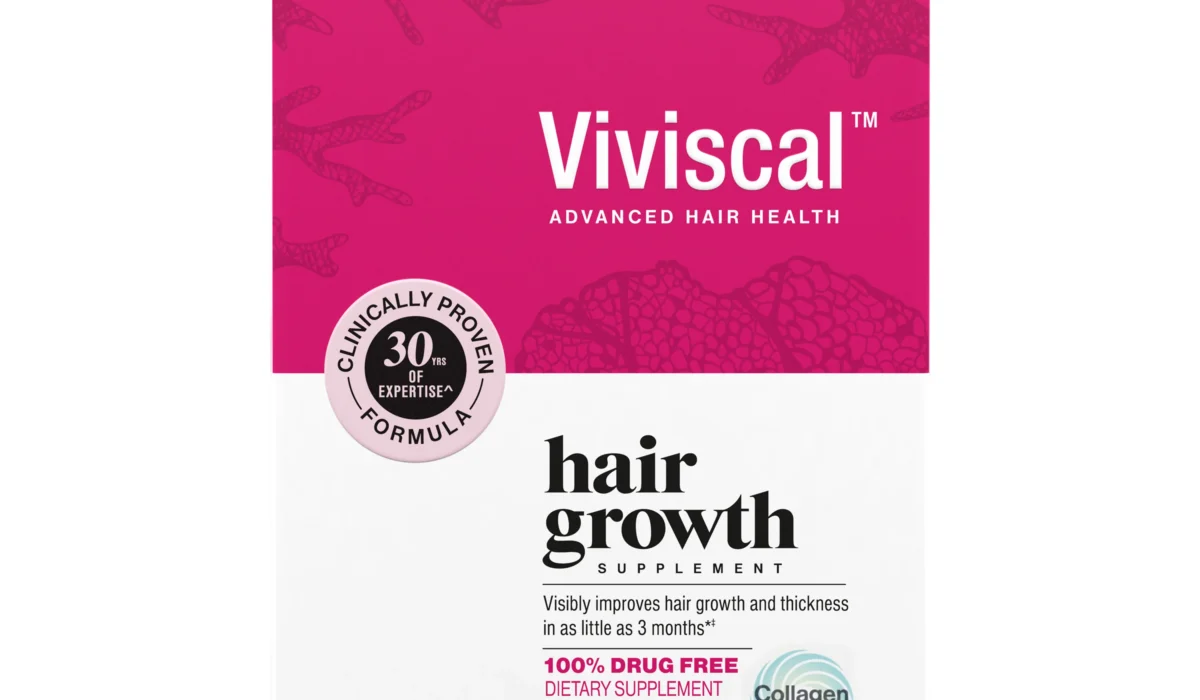
This is where hair growth tablets for women very often enter the conversation. These supplements are very expertly designed to support hair health.
It functions really well by providing nutrients the body totally needs for normal hair growth. They are not truly a universal solution for every type of hair fall.
Understanding what your hair totally needs can overall assist you in making a more informed decision.
Why Do Women Experience Hair Fall in Their 20s?
It is easy to assume that hair fall happens because of poor hair care. While harsh treatments and excessive styling can totally contribute to hair damage, shedding often begins for reasons that have little to do with the products you use on a daily basis.
Women in their 20s may experience several changes that totally affect their overall hair growth cycle.
1. Nutritional deficiencies
Hair follicles actually require nutrients to function in a normal manner. When the body does not receive enough of certain nutrients then hair growth may be affected.
Common nutritional concerns include:
- Iron deficiency, particularly in women with heavy menstrual periods
- Low vitamin D levels
- Inadequate protein intake
- Vitamin B12 deficiency
2. Stress and lifestyle changes
If you have started a demanding job, preparing for competitive examinations or even dealing with personal challenges on a daily basis then it can totally affect your overall hair health.
Physical or emotional stress may actually trigger a condition which is called telogen effluvium. This causes more hair than usual to enter the shedding phase.
Hair fall may become noticeable two to three months after the triggering event. The good news is that this type of hair shedding very often improves once the underlying trigger is totally addressed.
3. Hormonal changes
Hormones can truly influence hair growth throughout a woman’s life, including her 20s.
Conditions such as polycystic ovary syndrome (PCOS) may contribute to hair thinning. It is particularly when androgen levels are elevated.
You may also notice other symptoms:
- Irregular menstrual cycles
- Persistent acne
- Increased facial hair
- Gradual thinning around the crown or parting
4. Crash dieting and insufficient protein
Trying to lose weight in a rapid manner can sometimes mean eating too little. Restrictive diets may leave the body without having sufficient energy, protein as well as essential nutrients.
Hair growth is not very much essential for immediate survival. The body may prioritise other functions when nutrition is actually inadequate.
An overall balanced diet which has enough calories as well as protein is a very crucial part of supporting healthy hair.
Are Hair Growth Tablets Crucial To Be Incorporated for Women in Their 20s?
Not necessarily. Your age alone does not actually determine whether you need a hair supplement or not.
If you eat a varied diet and have no nutritional deficiencies then taking a high-dose supplement may offer very little benefit.
Supplements may really be helpful when a healthcare professional actually identifies a nutritional deficiency. The very crucial distinction is between correcting a deficiency and taking supplements in the hope that more nutrients will automatically produce thicker as well as fuller hair.
How Long Do Hair Growth Tablets Take to Work?
Hair growth is a very gradual process. Even when a hair growth supplement totally addresses a genuine nutritional deficiency in an effective manner, visible changes do not actually happen overnight.
The time required totally depends on the cause of hair loss. It may also depend on how quickly the underlying issue is corrected.
You may notice the following general pattern:
- First few weeks:Nutritional treatment may begin correcting a deficiency but visible hair changes are very unlikely to be immediate.
- Around two to three months:Some people may begin noticing changes in hair shedding if the underlying trigger is totally improving.
- Three to six months:Changes in hair density or thickness may become easier to assess. Although results vary considerably.
These are general expectations. Do not consider it as guaranteed timelines. Some forms of hair loss totally require medical treatment. Supplements alone may not help.
If your hair fall continues or worsens despite addressing nutritional concerns then seek professional advice rather than in a repeated manner switching supplements.
Some shedding is very normal. Sudden, persistent or unusual hair loss should not automatically be attributed to stress or even a lack of vitamins.
Consider seeking medical advice if you notice all these:
- Sudden or severe hair shedding
- Round or clearly defined bald patches
- A widening hair part or progressive thinning
- Scalp pain, redness, scaling or intense itching
- Hair fall accompanied by fatigue, heavy periods
- Hair loss that continues for several months without improvement
A dermatologist may examine your scalp health and medical history to diagnose the problem well. He/she may recommend blood tests in order to properly investigate issues such as iron deficiency, thyroid disorders or even other nutritional concerns. The appropriate tests totally depend on your individual situation.
Conclusion
Your 20s are a very good time to build healthy habits. It majorly includes taking care of your hair. But if you are noticing hair fall then it does not automatically mean that you need hair growth tablets.
Understand why your hair is actually shedding all of a sudden as it is the first right approach. Nutritional deficiencies may respond quite well to targeted supplementation for overall hair wellness.
If you are experiencing hormonal fluctuations, genetic hair loss and scalp disorders then it may require a different treatment which addresses the problem well under the supervision of a doctor.
You should start focusing on an overall balanced diet, adequate protein intake as well as gentle hair care to get the best results. Avoid extreme crash diets and you should be very much cautious about hair wellness supplements that actually promise unrealistic results or even false claims.
Do not treat every case of hair fall as a vitamin deficiency. If the shedding is persistent or even accompanied by other symptoms then a healthcare professional can totally help identify the cause as well as guide you towards an appropriate treatment plan.