Why Does Lipstick Settle Into Lip Lines? 10 Easy Fixes
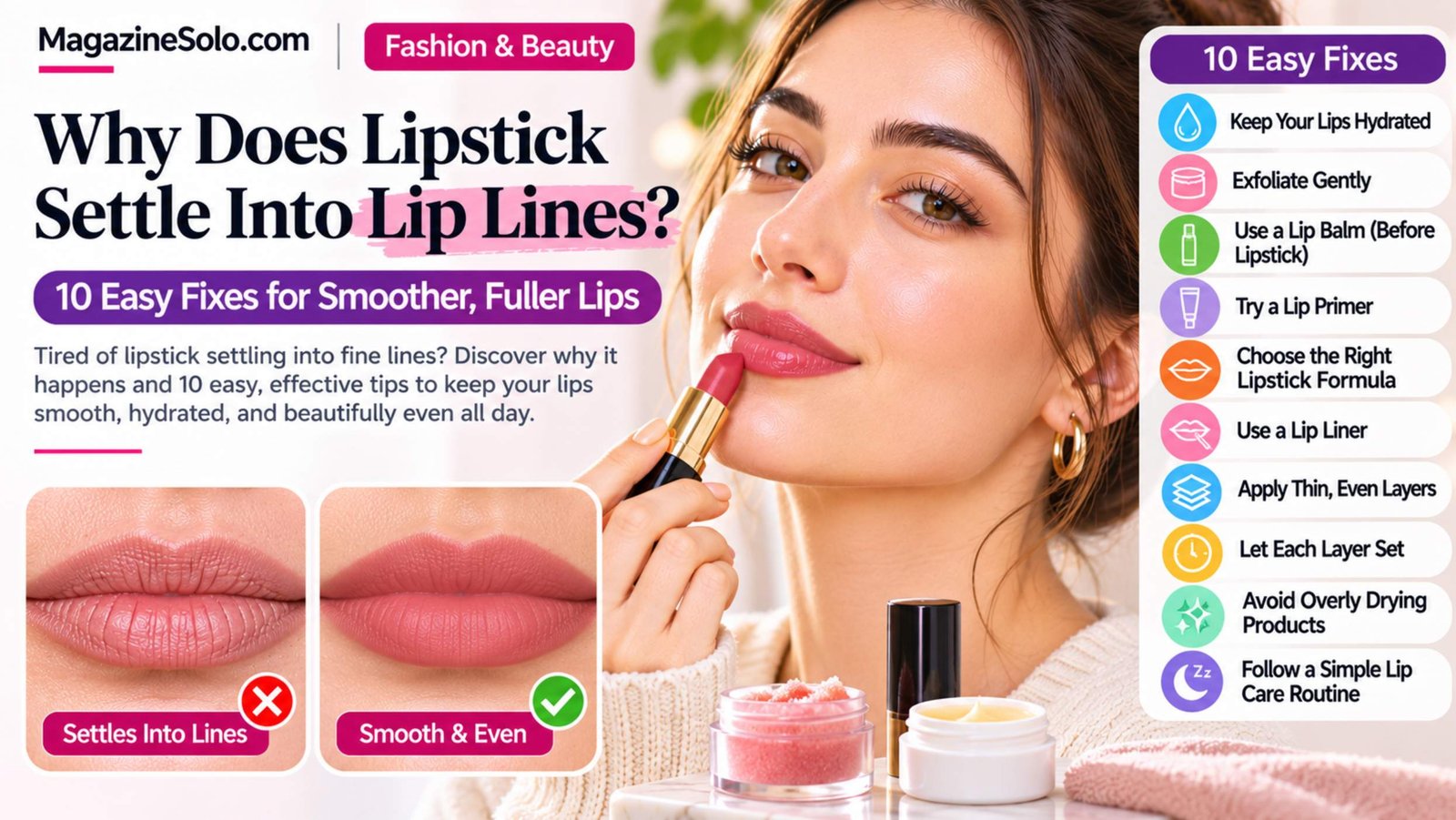
You apply your favorite lipstick, carefully blending the color across your lips. At first, everything looks smooth and beautiful. But after a few hours, the color begins collecting in tiny lines, emphasizing texture and making your lips appear uneven.
If you’re experiencing lipstick settling into lip lines, you’re dealing with a common makeup challenge.
Lips naturally have fine lines and texture. As lipstick wears throughout the day, certain formulas may emphasize these features, especially when the lips are dry or the product is applied too heavily.
Fortunately, you don’t need expensive treatments or complicated makeup techniques to improve the appearance of your lipstick.
From better lip preparation to choosing suitable formulas, these 10 practical tips can help your lipstick look smoother and more comfortable.
Why Does Lipstick Settle Into Lip Lines?
Lipstick may collect in natural lip lines because of the product’s texture, application method, or the condition of your lips.
Several factors can contribute:
- Dry or chapped lips
- Excessive lipstick application
- Very matte or drying formulas
- Uneven product distribution
- Natural lip texture
- Repeated layering throughout the day
- Lipstick that doesn’t adhere evenly
- Incompatible lip balm and lipstick combinations
- Normal movement during speaking and eating
It’s important to remember that visible lip lines are normal.
The goal is to improve how lipstick looks and feels, not eliminate natural skin texture.
1. Keep Your Lips Moisturized
Dry lips can make lipstick appear uneven and emphasize visible lines.
Using a suitable lip balm may help improve comfort and reduce the appearance of dryness.
How to Moisturize Before Lipstick
- Start with clean lips.
- Apply a thin layer of lip balm.
- Allow it to settle.
- Gently remove excess balm if necessary.
- Apply lipstick in a controlled layer.
Choose a lip balm that feels comfortable and doesn’t cause irritation.
The American Academy of Dermatology’s guidance on chapped lips explains how appropriate lip care can help manage dryness.
2. Avoid Aggressive Lip Exfoliation
When lipstick emphasizes dry flakes, you may feel tempted to scrub your lips.
However, aggressive exfoliation can irritate delicate lip skin and worsen dryness.
Better Lip Care Habits
Avoid harsh scrubs.
Don’t pick or peel loose skin.
Use a suitable moisturizer.
Allow irritated lips to recover.
If your lips are cracked, bleeding, or painful, avoid exfoliation.
For many people, consistent moisturizing is more helpful than frequent scrubbing.
3. Choose the Right Lipstick Formula
Different lipstick formulas create different finishes.
Some provide a creamy or satin appearance, while others dry to a matte finish.
Lipstick Formula Comparison
| Lipstick Type | Typical Finish | Consideration |
|---|---|---|
| Cream Lipstick | Soft and creamy | May feel comfortable |
| Satin Lipstick | Slight sheen | Often provides a balanced finish |
| Matte Lipstick | Reduced shine | Some formulas emphasize dryness |
| Liquid Matte | Long-wearing, variable finish | May feel drying |
| Sheer Lipstick | Lightweight color | Can create a natural appearance |
| Glossy Lipstick | Shiny finish | May require more frequent touch-ups |
A creamy or satin formula may be worth trying if matte lipstick repeatedly emphasizes lip lines.
However, the best choice depends on the individual product and your preferences.
4. Apply Lipstick in Thin Layers
Applying too much lipstick can create product buildup.
Thick layers may collect in natural lip lines as your mouth moves.
How to Apply Lipstick Evenly
Start with a small amount.
Apply the color across your lips.
Blend carefully.
Check whether additional coverage is necessary.
If needed, add another thin layer rather than applying a heavy coat immediately.
Using less product may create a smoother appearance.
5. Try a Lip Primer
Lip primer is designed to prepare the lips for makeup.
Depending on the formula, it may help create a more even-looking surface or improve lipstick wear.
However, primer isn’t essential for everyone.
When Lip Primer May Help
Consider testing one if:
- Lipstick repeatedly looks uneven.
- Your chosen formula settles into lines.
- You want to experiment with longer-lasting makeup.
- Lip balm alone doesn’t provide the desired finish.
Use a product intended for the lips and follow its instructions.
If primer makes lipstick slip or separate, try applying lipstick without it.
6. Use Lip Liner for More Defined Edges
Lip liner can help define the natural lip border and may reduce color migration beyond the lip edges.
However, it doesn’t necessarily prevent lipstick from collecting in lines across the lips.
How to Apply Lip Liner
Choose a shade that complements your lipstick.
Outline your natural lip shape.
Avoid pressing too hard.
Blend the liner gently if desired.
Apply lipstick over the prepared area.
Use a clean, sharpened pencil when appropriate.
Don’t share lip makeup products with others.
7. Blot Excess Lipstick
Blotting can help remove excess product after application.
This may reduce heavy buildup and create a more even finish.
Simple Blotting Method
- Apply a thin layer of lipstick.
- Gently press your lips against a clean tissue.
- Check the color distribution.
- Add a small amount of lipstick if necessary.
- Avoid repeatedly layering thick coats.
Blotting may work particularly well with certain cream or satin lipsticks.
However, follow product directions for formulas designed to set without blotting.
8. Avoid Overly Drying Lip Products
Some long-wearing lipstick formulas may feel dry on certain lips.
If your lipstick repeatedly causes tightness or discomfort, consider switching to a more comfortable formula.
Signs a Lip Product May Not Suit You
- Burning or stinging
- Persistent tightness
- Increased dryness
- Flaking after application
- Redness or irritation
Discontinue products that cause irritation.
If symptoms persist, consult a qualified healthcare professional.
For information about cosmetic ingredients and safety, visit the U.S. Food and Drug Administration’s cosmetics resources.
9. Touch Up Lipstick Without Excessive Layering
Reapplying lipstick throughout the day is normal.
However, repeatedly adding new layers over old product can create buildup.
Better Lipstick Touch-Up Technique
Gently remove loose or uneven product.
Check whether your lips feel dry.
Apply a suitable lip balm if needed.
Allow it to settle.
Reapply a thin layer of lipstick.
Avoid scrubbing or aggressively rubbing your lips.
A careful touch-up may look smoother than repeatedly adding color over existing buildup.
10. Follow a Simple Daily Lip Care Routine
A consistent routine can help maintain comfortable lips.
Morning Lip Care
Clean your lips gently as needed.
Apply an appropriate lip moisturizer.
Use a lip product with suitable sun protection when outdoors.
Apply lipstick after your skincare products have settled.
Evening Lip Care
Remove lipstick gently.
Avoid harsh rubbing.
Apply a moisturizing lip balm or suitable ointment.
Allow your lips to recover overnight.
The American Academy of Dermatology recommends protecting lips from sun exposure and using appropriate moisturizing products.
Why Does Matte Lipstick Emphasize Lip Lines?
Matte lipstick is designed to create a low-shine finish.
Some formulas can emphasize dryness or uneven texture because they don’t provide the same reflective appearance as glossy products.
However, not every matte lipstick behaves the same way.
What Can Help?
Moisturize your lips before application.
Avoid applying excessive product.
Choose a formula that feels comfortable.
Use thin layers.
Remove old product before reapplying.
If matte lipstick consistently makes your lips uncomfortable, consider a satin or cream finish.
Why Does Lipstick Look Cracked After a Few Hours?
Lipstick may develop a cracked appearance when the formula dries, shifts, or collects around natural lip texture.
Possible causes include:
- Dry lips
- Heavy application
- Product wear
- Repeated layering
- Certain long-lasting formulas
To troubleshoot, compare different lipstick textures and application methods.
If your lips themselves are cracking or painful, focus on lip care rather than covering the problem with additional makeup.
Lipstick Settling vs. Lipstick Feathering
These two problems are related but different.
| Problem | Appearance | Common Explanation |
|---|---|---|
| Settling | Color collects in natural lip lines | Texture or product buildup |
| Feathering | Color spreads beyond lip edges | Product migration |
| Cracking | Lipstick appears broken or uneven | Dryness or formula behavior |
| Fading | Color becomes less visible | Normal wear |
| Pilling | Small product clumps form | Product incompatibility |
Identifying the issue can help you choose the most useful solution.
How to Keep Lipstick Smooth on Mature Lips
Natural lip lines may become more visible with age.
However, you don’t need to avoid bold lipstick colors or change your personal style.
Makeup Tips for Mature Lips
Use a comfortable lip balm.
Choose a lipstick formula you enjoy wearing.
Apply color in thin layers.
Consider lip liner for definition.
Avoid heavy product buildup.
Touch up gently when needed.
The goal is a comfortable, attractive finish that complements your natural lip texture.
Can Lip Balm Make Lipstick Settle Into Lines?
Lip balm can improve comfort, but applying too much immediately before lipstick may affect how certain formulas adhere.
If lipstick slides around or becomes uneven, try using less balm and allowing it to settle before applying color.
Choose a product combination that feels comfortable.
You don’t need to stop moisturizing your lips to achieve a better lipstick finish.
How to Prevent Lipstick From Looking Cakey
Cakey-looking lipstick often results from heavy application or repeated layering.
Quick Prevention Tips
- Start with moisturized lips.
- Use thin lipstick layers.
- Avoid unnecessary product buildup.
- Blot excess lipstick when appropriate.
- Remove uneven product before reapplying.
- Choose a formula that suits your preferences.
These habits may improve the appearance of both matte and cream lipstick.
How Lipstick Problems Compare With Other Makeup Issues
Lipstick settling isn’t the only makeup problem caused by product buildup or application techniques.
For example, foundation can emphasize dry skin when applied heavily.
Our guide on why foundation looks patchy on dry skin explains how gentle skin preparation and thin layers can improve makeup application.
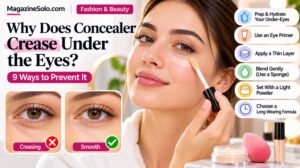
Similarly, concealer may collect in natural under-eye lines. Read why concealer creases under the eyes for practical application advice.
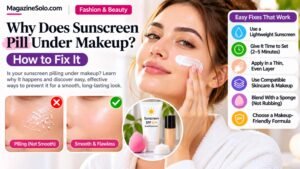
If sunscreen forms small rolls beneath foundation, our article on sunscreen pilling under makeup explores product layering problems.
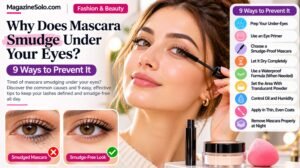
And if your eye makeup transfers throughout the day, see how to prevent mascara from smudging under your eyes.
These issues have different causes, but thoughtful product selection and controlled application can help improve the overall makeup finish.
Common Lipstick Mistakes to Avoid
Applying Lipstick Over Very Dry Lips
Visible flakes can make the finish appear uneven.
Using Too Much Product
Heavy layers may collect in natural lines.
Scrubbing Lips Aggressively
Harsh exfoliation can irritate delicate lip skin.
Reapplying Without Removing Buildup
Repeated layering can create an uneven appearance.
Ignoring Product Irritation
Burning or persistent discomfort may indicate that a product isn’t suitable.
Expecting Completely Line-Free Lips
Natural lip texture is normal and doesn’t need to be eliminated.
Frequently Asked Questions
Why does lipstick settle into fine lines?
Lipstick may collect in natural lip texture because of dryness, formula characteristics, or excessive application.
How do I stop lipstick from settling into lip lines?
Moisturize appropriately, apply thin layers, avoid heavy buildup, and choose a comfortable formula.
Is matte lipstick bad for dry lips?
Some matte formulas may emphasize dryness or feel uncomfortable, but results vary by product.
Does lip primer prevent lipstick creasing?
A compatible primer may improve application for some people, but it isn’t guaranteed to prevent settling.
Should I exfoliate my lips before lipstick?
Avoid aggressive exfoliation, especially when lips are irritated or cracked. Gentle moisturizing is often a better starting point.
What lipstick finish looks smoother on dry lips?
Some people prefer cream or satin formulas because of their softer appearance, but individual results vary.
Can lip liner stop lipstick from settling?
Lip liner may help define the edges and reduce feathering, but it won’t necessarily prevent settling across the lips.
How do I fix lipstick that looks cracked?
Gently remove uneven buildup, moisturize if needed, and reapply a thin layer of a comfortable formula.
Final Thoughts
If you’re experiencing lipstick settling into lip lines, start by improving your lip care routine and reviewing how much product you’re applying.
Use a suitable lip balm, avoid aggressive exfoliation, and choose lipstick formulas that feel comfortable.
Apply color in thin layers and remove excess buildup when touching up your makeup.
Most importantly, remember that natural lip lines are normal.
With gentle care and thoughtful application, you can achieve a smoother-looking lipstick finish without trying to change your natural lip texture.
For additional information about maintaining healthy lips, explore the American Academy of Dermatology’s lip care recommendations.

Washim is a lifestyle and entertainment writer at MagazineSolo, specializing in fashion, beauty, wellness, celebrity trends, and modern living. She enjoys exploring fresh ideas and turning complex topics into engaging, reader-friendly stories. Her goal is to inspire readers with useful tips, creative insights, and informative articles.