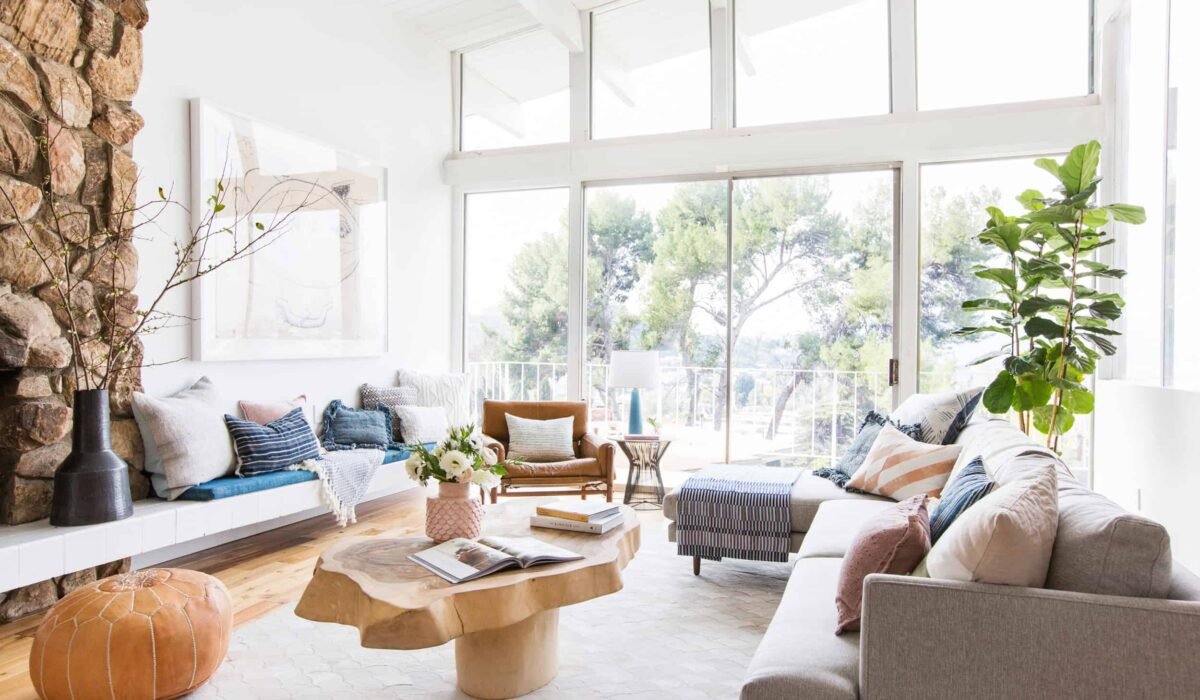
A coffee table can influence how a living room looks and functions more than its modest footprint suggests. It provides a place for drinks, books, remotes, and decorative objects, but it also helps connect the sofa, accent chairs, and area rug into a cohesive seating arrangement. The right choice feels natural within the room; the wrong one can interrupt movement, overwhelm the furniture, or leave everyday essentials inconveniently out of reach.
Choosing well involves more than selecting an attractive finish. Table dimensions, shape, material, storage, and household habits all deserve consideration before making a purchase.
Start With the Size of Your Seating Area
Proportion should guide the selection process. A coffee table needs enough surface area to serve the seating arrangement without dominating it or making the room difficult to navigate.
As a general guideline, look for a table approximately two-thirds the length of your sofa. This creates a balanced relationship between the two pieces while leaving room for the sofa’s arms and nearby seating.
Height matters just as much. A coffee table that sits at or slightly below the sofa seat height is usually comfortable to use. If the tabletop is too low, reaching for a drink can become awkward; if it is too high, the table may visually compete with the seating.
Leave Enough Room to Move
Aim for approximately 16 to 18 inches between the coffee table and the sofa. This distance generally allows people to sit down, stretch their legs, and reach the tabletop without leaning excessively. Adjust the spacing to accommodate the room’s layout and the needs of household members.
Keep primary walking routes clear, ideally allowing around 30 to 36 inches where space permits. In compact living rooms, a smaller table may be a better investment than a larger design that forces people to navigate around its corners.
Choose a Shape That Complements Your Furniture
Coffee table shapes affect both the appearance of a room and the way people move through it.
- Rectangular tables work well with standard sofas and longer seating arrangements. They offer generous surface space for everyday use.
- Round tables soften rooms dominated by straight lines and eliminate sharp corners, making them useful in smaller spaces.
- Oval tables provide the elongated surface of a rectangular design with a more fluid outline.
- Square tables suit larger sofas, sectional seating, and compact conversation groups where several seats surround a central surface.
For a sectional sofa, consider the orientation of the seating before choosing a table. A square or round design may connect the two sides of an L-shaped arrangement more naturally than a narrow rectangle. The table should remain accessible from the seats that will be used most often.
Select Materials That Suit Your Lifestyle
The material affects durability, maintenance, and the overall character of the living room. It should complement the existing furniture while standing up to everyday use.
Wood for Warmth and Versatility
Wood coffee tables suit a wide range of interiors, from traditional rooms to contemporary spaces. Oak and other lighter finishes can make a room feel open, while walnut and darker stains introduce visual depth. Natural grain also adds texture to rooms with neutral upholstery.
Wood surfaces may scratch or show water marks, depending on the finish, so coasters and appropriate cleaning methods are worth considering.
Glass and Metal for a Lighter Appearance
Glass-topped tables can help smaller rooms feel less crowded because they preserve visual openness. However, fingerprints and dust may be more noticeable, and glass requires care around young children or active pets.
Metal frames offer a clean, structured appearance and can complement industrial or modern interiors. Stone and marble surfaces provide a substantial, distinctive look, although they may be heavy and require attention to spills, staining, or sealing requirements.
Consider Storage and Everyday Function
A coffee table should reflect how the living room is actually used. Households that frequently entertain may prefer a broad, open tabletop, while families with limited storage may benefit from drawers, shelves, or a lift-top design.
A lower shelf can hold magazines, baskets, or board games without taking up additional floor space. Lift-top tables may provide a convenient surface for working or eating, although their mechanisms and raised position can make them less suitable for every seating arrangement.
When comparing coffee tables for sale, examine the listed dimensions, storage configuration, material, and assembly requirements together. A table that looks ideal in a product photograph may have a different visual weight or footprint in your own living room.
Coordinate the Finish With the Rest of the Room
The coffee table does not need to match every other piece of furniture. In fact, repeating the exact same wood finish throughout a room can make the arrangement feel overly uniform.
Instead, look for relationships between materials and colors. A walnut table can complement a cream sofa and a neutral rug, while a black metal frame may connect with lighting fixtures or chair legs. Repeating one or two finishes elsewhere in the room helps establish continuity without requiring a matching furniture set.
Decorative objects can reinforce these connections, but leave enough clear surface area for practical use. A small tray, a book, or a low arrangement often provides sufficient decoration without crowding the tabletop.
Common Questions About Coffee Tables
Should a coffee table be higher or lower than the sofa?
A tabletop at or slightly below the sofa seat height is a reliable starting point. The ideal height depends on the sofa’s proportions and how the table will be used.
Is a round coffee table better for a small living room?
It can be. Rounded edges improve movement around the table, particularly in tight seating areas, although the overall diameter must still suit the available space.
Do all living rooms need a coffee table?
No. Side tables, nesting tables, or a movable ottoman can serve similar purposes. The best arrangement depends on available space and everyday needs.
Choose for the Way You Live
The perfect coffee table balances proportion, accessibility, material, and function. Measure the seating area first, choose a shape that supports comfortable movement, and select a finish that complements the room without demanding an exact match.
When these practical decisions come before decorative details, the result is a living room that feels cohesive and remains easy to use. A well-chosen coffee table should support the way people gather, relax, and spend time together not simply occupy the center of the room.